Logistics Today: Latest Trends and News
Modern logistics depends not only on tariffs and transit times, but also on broader changes in infrastructure, container availability, and the stability of international corridors. Even local disruptions can quickly affect transportation costs and supply planning for businesses.
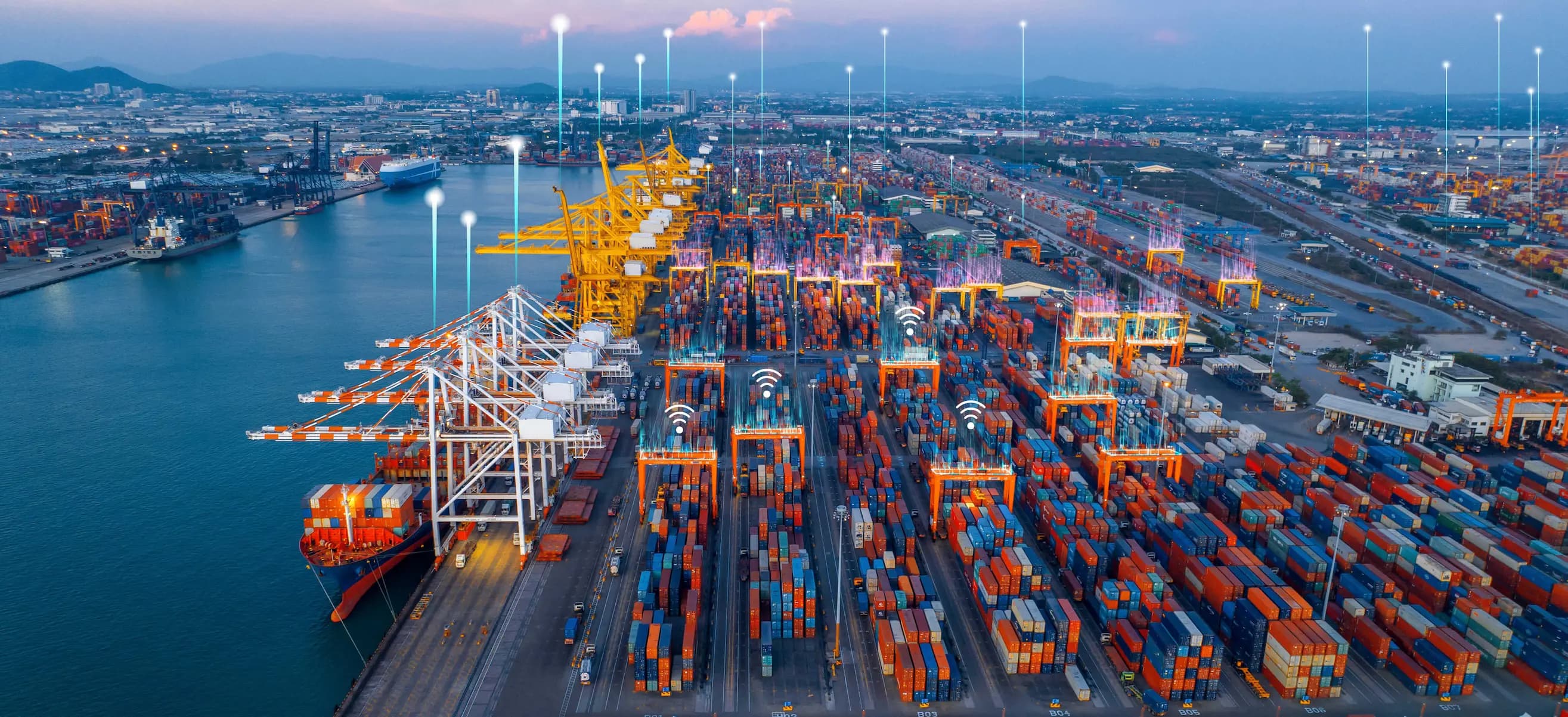
One of the major topics in recent years has been the shortage of containers in China. When export volumes grow faster than imports, part of the equipment remains tied up in the global supply chain, terminals face higher pressure, and shippers have to deal with shortages, longer lead times, and more operational uncertainty. For cargo owners, this means container transportation must be planned earlier and with closer attention to market conditions.
Another important factor is the development of new rail routes across the region. For Kyrgyzstan, stronger transport links with China and neighboring Central Asian markets are especially significant. The more stable land corridors become available, the more resilient international trade becomes and the greater the opportunity to optimize logistics.
For companies involved in international supply chains, this means route strategy should be reviewed regularly. It is not enough to focus on price alone. Businesses also need to watch infrastructure changes, container availability, terminal congestion, and the flexibility of forwarding support.
ARM Freight treats market developments not as background noise, but as a practical input for transport planning. The better the team understands current restrictions and opportunities, the more effectively we can choose routes, reduce risks, and keep cargo moving reliably.