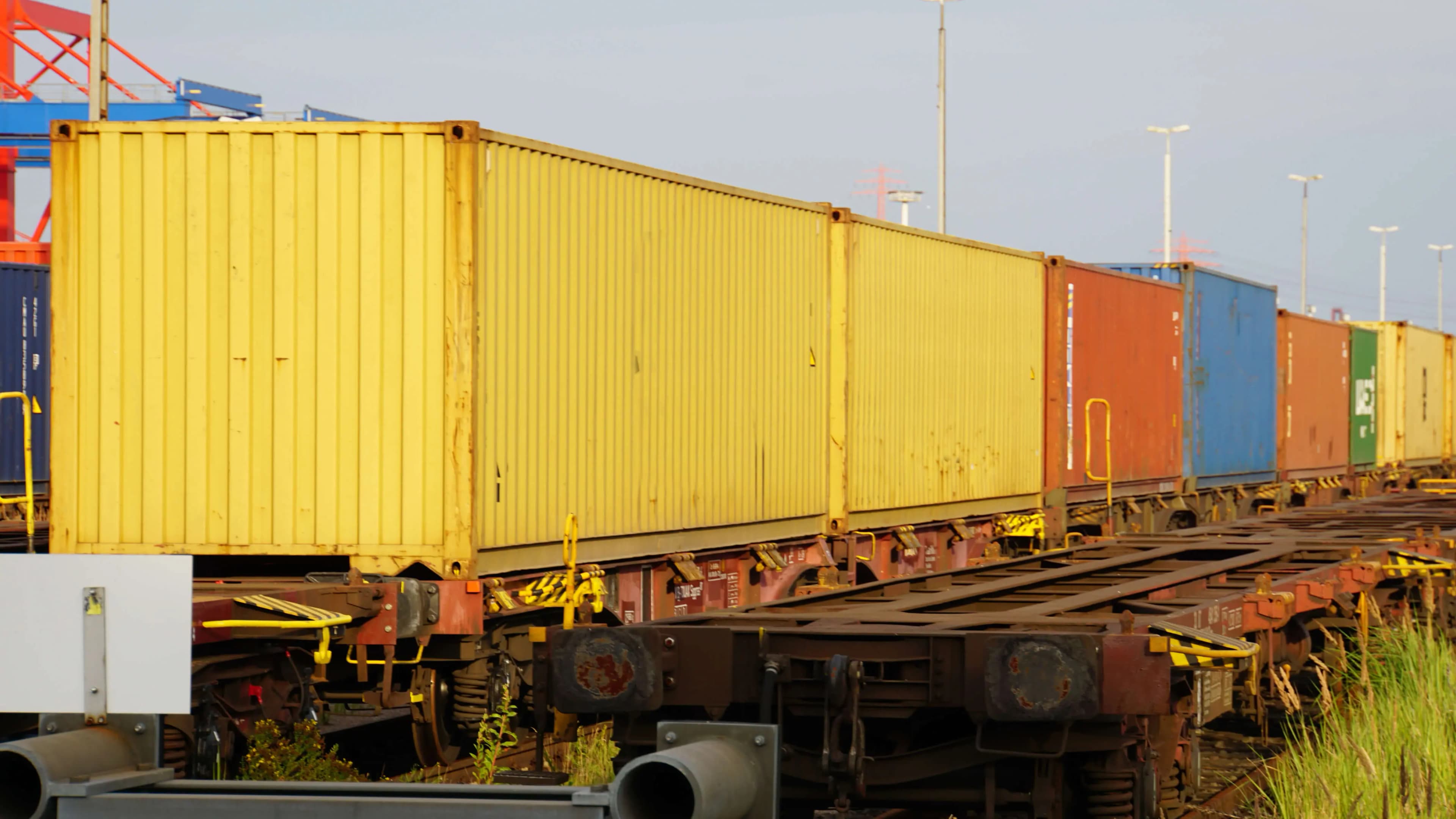
Rail Transportation: An Overview
Rail transportation remains one of the most reliable ways to move cargo over long distances. It is especially suitable for regular international flows, large shipment volumes, and routes where predictable transit times and balanced transportation costs matter.
For many businesses, rail is particularly effective for containers, bulk cargo, industrial products, vehicles, metals, raw materials, and other goods that need to move steadily and in large volumes. Compared with air freight, rail is usually more economical, and on many continental routes it can be faster and more practical than sea transport.
Another key advantage of rail logistics is the ability to build stable corridors between Kyrgyzstan, China, Kazakhstan, Uzbekistan, Russia, and other CIS countries. When the transport scheme is planned correctly, shippers can reduce unnecessary transloading, avoid downtime, and improve visibility across the supply chain.
When organizing an international rail shipment, it is important to consider not only the route itself, but also cargo type, rolling stock availability, tariffs, documents, and the requirements of the railway administrations involved. That is why many companies choose a single logistics partner who can calculate costs, prepare documents, and monitor the shipment from start to finish.
For ARM Freight, rail transportation is not just about moving cargo from point A to point B. It is a complete logistics solution built around timing, safety, control, and clear communication at every stage.